(405) 591-5788 9221 NE 10th St, Suite 4, Midwest City, OK, 73130 Mon-Sun: 7:00 AM - 7:00 PM
Siding · Midwest City, OK

Siding Contractor in Midwest City, OK Built for Hail, Wind and Heat

Midwest City sits close to the middle of Tornado Alley and the hail belt, and siding here takes a lot of punishment. From April through June, hail of 1–2 inches cracks vinyl and dents aluminum. Straight-line winds over 60 mph unlock loose courses, and 100°F summers make thin vinyl buckle. Midwest City Siding Solutions installs impact-resistant vinyl, fiber cement and engineered wood over proper house wrap and flashing. We replace hail-damaged panels and rebuild rotted soffit, fascia and trim. You'll get color samples, insurance documentation and a clean site at the end of every workday.

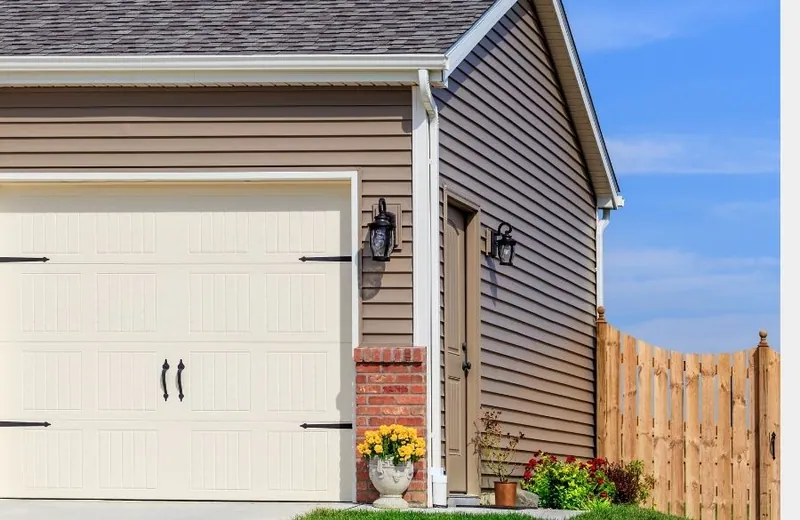
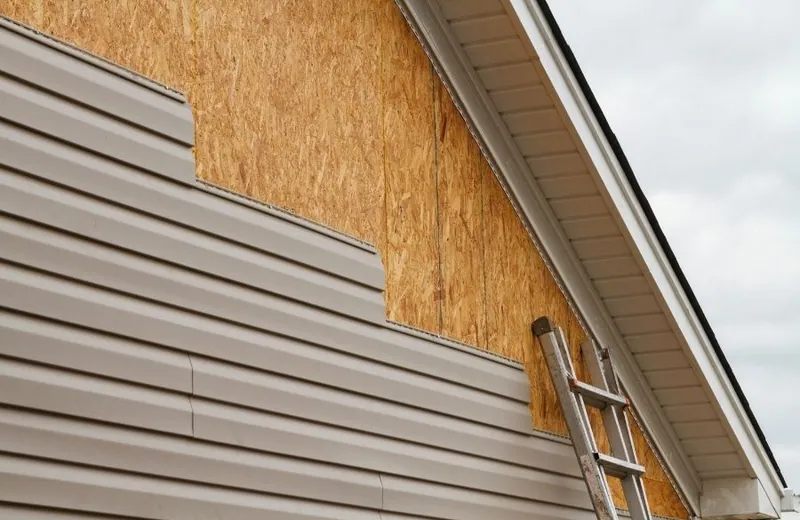
Midwest City Siding Solutions Siding Contractor in Midwest City, OK project in Midwest City, OK (1)
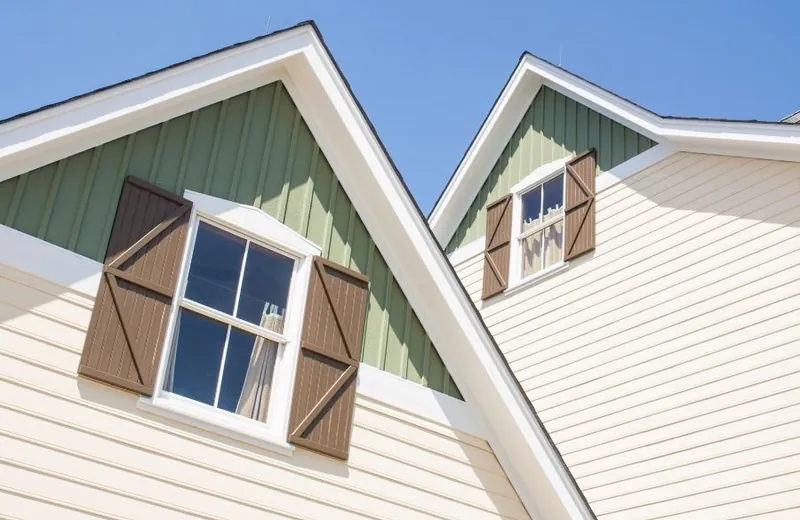
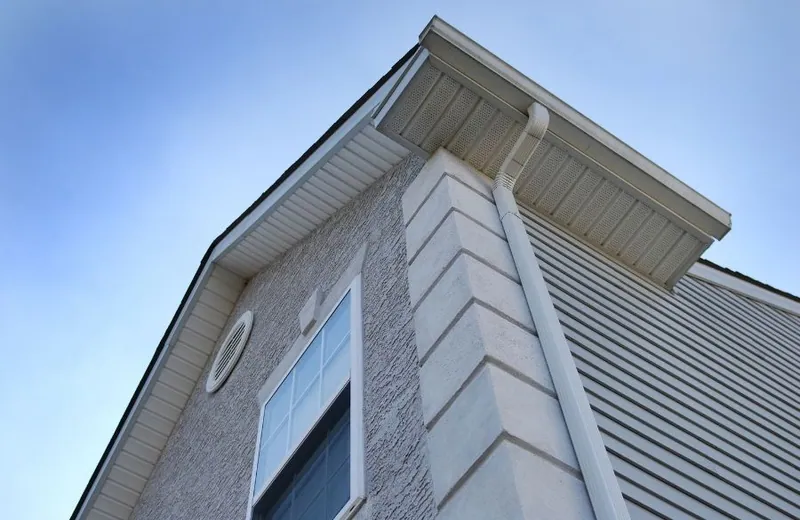
Midwest City Siding Solutions Siding Contractor in Midwest City, OK project in Midwest City, OK (1)Crafted
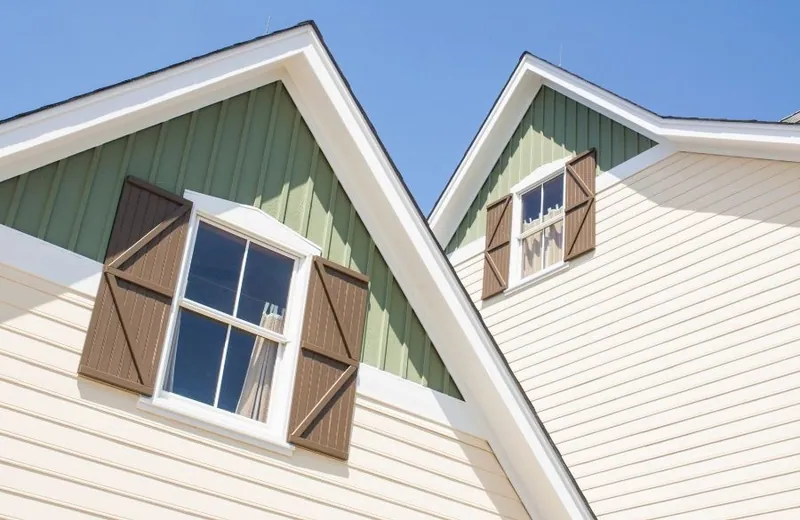
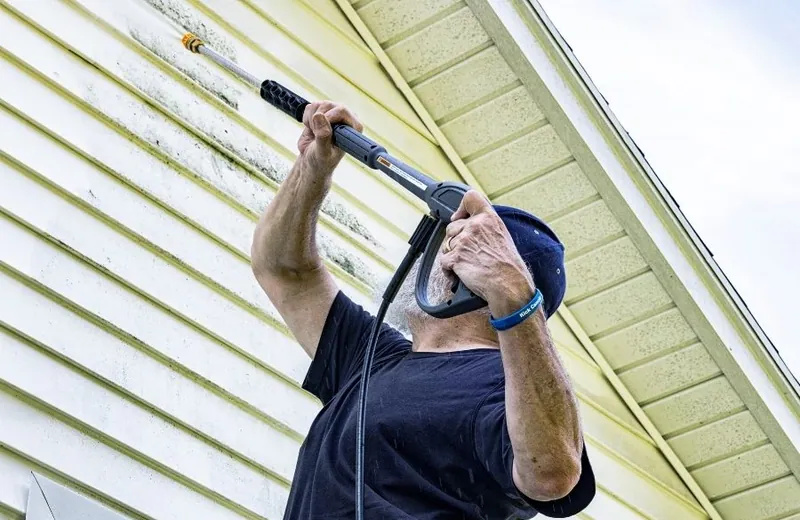
Midwest City Siding Solutions Siding Contractor in Midwest City, OK project in Midwest City, OK (2)
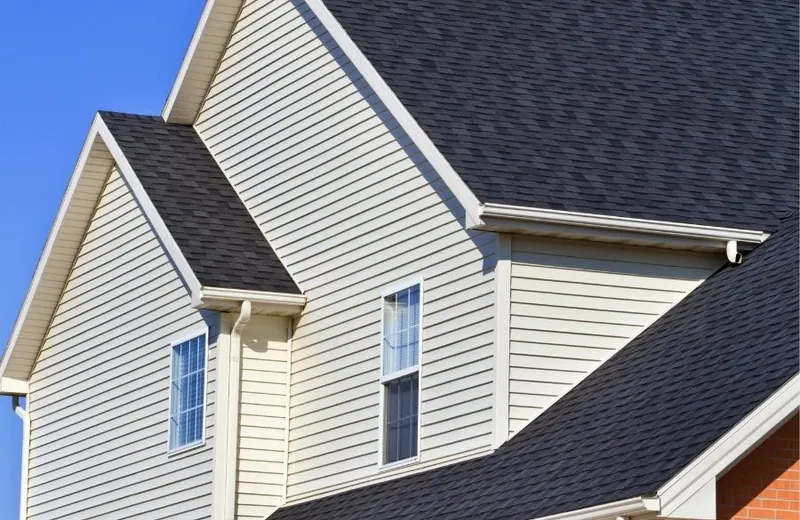
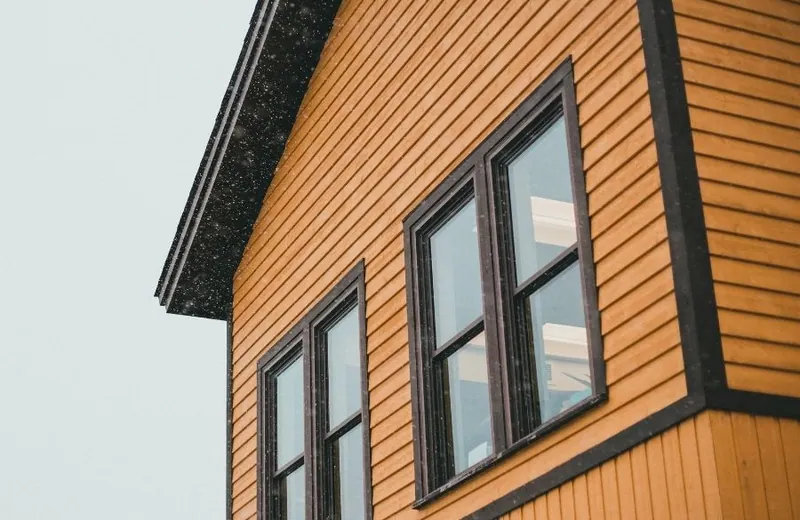
Midwest City Siding Solutions Siding Contractor in Midwest City, OK project in Midwest City, OK (3)Built to last
Bonded
Fully insured
Financing available
Serving a 20-mile radius around Midwest City
Our approach

Most of our work is on homes Tinker built: 1940s–60s ranches in the Original Mile and Atkinson Heights, and 1970s–80s subdivisions where the hardboard siding is swelling at the bottom courses. Our crews also work in Del City, Smith Village, Nicoma Park and Choctaw. We know where siding meets brick on these houses and how red clay soil opens those joints. We also know how to refresh a mid-century exterior and keep the character that made you buy it.

  • Bonded
  • Fully insured
  • Financing available
  • Serving a 20-mile radius around Midwest City
  • Insurance claim documentation provided
  • Color samples before you commit
  • Job site cleaned at the end of every day
20-MileService Radius
18Communities Served
25Siding & Exterior Services
DailyJob Site Cleanup
Local conditions

Why Midwest City Homes Need Siding Built for Oklahoma Weather

Siding that holds up fine in a mild climate often fails within a few seasons here. Central Oklahoma brings hail, high wind, big temperature swings, harsh UV and shifting clay soil, and it hits an older housing stock. Here's what your exterior is dealing with.

01

Hail, Wind and Temperature Swings

Large-hail days pile up from April through June, and stones of 1–2 inches or bigger crack vinyl, dent aluminum and steel, and chip fiber-cement edges. West- and north-facing walls usually take the worst of it. Oklahoma City is one of the windiest big cities in the country. Steady 10–15 mph south winds are normal, and severe storms push straight-line gusts past 60 mph. The F5 on May 3, 1999 and the F4 on May 8, 2003 both crossed the Midwest City and Del City area. Temperatures can also move 30–40°F in a day when a front comes through, from July highs in the mid-90s to January lows in the upper 20s. Vinyl that was nailed too tight oil-cans and buckles, and caulk joints at windows and trim pull open. Roughly 36–37 inches of precipitation a year, much of it wind-driven, tests every J-channel and flashing detail.

02

A Housing Stock Built Around Tinker AFB

Midwest City was founded in 1942 to house Tinker workers, so much of its housing is now 60–80 years old. Post-war ranches in the Original Mile and Atkinson Heights typically have brick or stone on the front. The sides and gables are often wood lap, aluminum or asbestos-cement shingles. Many 1970s–80s subdivisions here and in Del City used hardboard lap and panel siding, and it's now swelling and rotting at the bottom edges. Newer homes toward Choctaw, Nicoma Park and Harrah mix brick wainscot with vinyl, fiber cement or engineered wood. Across all three eras we find the same problems. Wood fascia rots behind aluminum wrap, older vinyl went up without house wrap, and siding-to-brick seams leak because expansive red clay keeps moving foundations.

03

Permits, Lead, Asbestos and HOA Rules

Midwest City, Del City, Oklahoma City, Moore, Edmond and Choctaw each run their own permit offices. Re-siding or replacing sheathing may need a permit, and the rules vary from city to city. Oklahoma has no state siding license, so you'll need to vet contractors yourself. If you sign a contract at your door, state law gives you three days to cancel, which matters after a big storm brings in out-of-state crews. Pre-1978 homes fall under EPA lead-safe (RRP) rules. Asbestos-cement siding has to come off intact and be disposed of properly. OKC historic districts like Heritage Hills need a Certificate of Appropriateness and may not allow vinyl. In Nichols Hills and HOA communities in Edmond and Choctaw, colors and materials often need design or architectural committee approval.

04

Insurance-Driven, Budget-Conscious Owners

Most siding projects in this area start with a hail or wind claim. Many Oklahoma policies carry wind/hail deductibles of 1–2% or more of dwelling coverage, so on a $200,000 policy you could pay $2,000–$4,000 before coverage kicks in. Matching rules for discontinued colors often decide whether a claim covers one wall or the whole house. Midwest City has about 58,000 residents, including many military, DoD civilian and retired households, and plenty of owners on fixed incomes. That's why phased projects, financing and clear pricing matter here.

What we see most

Common Siding Problems in Midwest City and Nearby Communities

These are the problems we see most often on homes from the Original Mile to Choctaw. Some can wait until next season. Others let water into your walls with every storm. Here's how to tell them apart, why each one is common here, and what usually fixes it.

Serious

Hail-Cracked and Punctured Vinyl Siding

What it is

Hail impacts leave cracks, holes or shattered sections in vinyl panels. They're often hairline breaks you won't notice from the yard. Once vinyl is cracked, rain gets behind it, and the next windstorm can pull the broken course off the wall entirely.

Why it is common in Midwest City

Large-hail days stack up every April through June, and 1–2 inch stones are routine. Thin builder-grade vinyl, common on 1990s–2000s homes, offers little impact resistance. Vinyl also gets brittle in the cold, so an early-spring storm on a 45°F afternoon breaks panels that would only dent in July. Storm-driven hail hits west- and north-facing walls hardest. That's why many homes have one heavily damaged wall and three that look fine.

Signs you will notice

  • Star-shaped or hairline cracks, especially near the bottom of panels
  • Small round holes or missing chips
  • Damage concentrated on west and north walls
  • Matching dents on gutters, downspouts or AC fins
  • Loose pieces of vinyl in the yard after a storm
  • Fresh water stains on interior walls behind damaged areas

Midwest City-specific patterns

We see this most after spring storms in Soldier Creek-area subdivisions, newer Choctaw and Nicoma Park developments, and Moore. Those homes have large vinyl gable walls with nothing to shelter them. Homes with several past repairs often show mismatched colors from earlier patch jobs.

Severity

Serious. Schedule a repair within 1–2 weeks.

Typical solution

We document the damage for your claim. Then we replace the panels, or the full elevation if matching rules require it, using thicker or impact-rated material over intact house wrap.

Emergency

Wind-Blown and Unlocked Siding Courses

What it is

Strong gusts get under a loose panel edge, unlock the course from the one below, and peel sections off the wall. That leaves house wrap or bare sheathing exposed to rain, and the damage keeps spreading with each windy day until it's repaired.

Why it is common in Midwest City

Straight-line winds above 60 mph come with most severe storms here, and the steady 10–15 mph south wind never really lets up. Panels that were nailed too tight, nailed too loose, or never fully locked are the first to go. Since 1999, a lot of homes have had storm repairs done quickly by crews who were gone the next month. Those patches often fail first and pull neighboring courses loose with them.

Signs you will notice

  • Missing panels or exposed house wrap
  • Panels flapping or rattling in wind
  • Gaps between courses you can slide a finger into
  • Bowed sections near corners and gable peaks
  • Displaced J-channel around windows

Midwest City-specific patterns

Common on tall, exposed gables in Choctaw, Harrah and Newalla acreage homes and on two-story homes in Moore. Del City and Midwest City homes with storm-era patches also see it often.

Severity

Emergency. Act within 24 hours to stop further damage.

Typical solution

We secure or tarp exposed walls quickly. Then we reinstall or replace the courses with correct nailing, starter strip and locking so they hold up in our wind.

Serious

Swelling and Rotting Hardboard Siding

What it is

Hardboard (Masonite-type) siding is wood fiber pressed with resin. When water gets through the paint, it swells, softens, delaminates and grows mold, starting at the bottom edges and nail holes. You can't fix it with paint. It has to be replaced.

Why it is common in Midwest City

Builders across Midwest City, Del City and eastern Oklahoma County used hardboard heavily in the 1970s and 1980s. Forty-plus years of wind-driven spring rain, freeze-thaw cycles and lawn sprinklers have worked into every unsealed edge. Expansive clay soil makes it worse. As foundations shift, gaps open at trim and corners and let in more water. Most of these homes have reached the point where the board is failing from the inside.

Signs you will notice

  • Swollen, mushroomed bottom edges
  • Soft spots you can press a screwdriver into
  • Paint that blisters again within a season or two
  • Wavy or bulging panels
  • Black mold or fungus on lower courses
  • Nail heads sunk into soft board

Midwest City-specific patterns

Common on gables, upper walls and back walls of 1970s–80s homes in Midwest City and Del City. It's often worst on the walls behind shrubs or near sprinkler heads, and around windows that never got proper flashing.

Severity

Serious. Schedule a repair within 1–2 weeks.

Typical solution

We remove the hardboard, repair any damaged sheathing, install house wrap, and replace it with fiber cement or engineered wood, which handle moisture and hail much better.

Moderate

Leaking Siding-to-Brick Transitions

What it is

Wherever siding meets brick or stone veneer, a flashing and sealant joint keeps water out. When that joint opens up, rain runs behind both materials. It rots the sheathing and sill plates, and you can't see it happening until the damage is serious.

Why it is common in Midwest City

Nearly every home in the area mixes brick and siding. Red clay soil swells in wet springs and shrinks during drought, so foundations move and these joints crack and separate. Many original installs depended only on caulk, with no metal flashing. Those 30–40°F daily temperature swings break down the sealant quickly.

Signs you will notice

  • Visible gap between siding and brick
  • Cracked or missing caulk at the transition
  • Stair-step cracks in nearby brick
  • Rot or stains on the trim below the joint
  • Musty smell inside along that wall

Midwest City-specific patterns

Typical on brick-front ranches in the Original Mile and Atkinson Heights, and on newer homes with brick wainscot in Choctaw and Nicoma Park, where foundation movement is common.

Severity

Moderate. Address within the next few months.

Typical solution

We check for foundation movement and install proper kick-out and transition flashing. Then we reseal with a flexible, UV-stable sealant so the joint can move without opening.

Moderate

Rotted Soffit, Fascia and Trim

What it is

Wood fascia boards, soffits and trim around doors and windows decay from trapped moisture. That's usually hidden behind aluminum or vinyl wrap installed decades ago. Rotted fascia lets gutters sag and gives birds, squirrels and wasps a way into the attic.

Why it is common in Midwest City

Lots of mid-century Midwest City homes had their wood trim wrapped in aluminum in the 1970s and 80s instead of replaced. The wrap holds in water from wind-driven rain and overflowing gutters, and the wood underneath rots unseen. Ice storms like December 2007 and October 2020 brought down limbs that cracked fascia and soffit. Many of those quick repairs never addressed what was underneath.

Signs you will notice

  • Sagging gutters or pulling gutter spikes
  • Soft or crumbling wood at fascia corners
  • Bulging or loose aluminum trim wrap
  • Birds or wasps nesting at the eaves
  • Peeling paint at window and door casings
  • Daylight visible through soffit gaps

Midwest City-specific patterns

Very common on 1940s–60s ranches in the Original Mile and Atkinson Heights and on older Del City and Spencer rentals. It's often found along tree-lined streets that took limb damage in ice storms.

Severity

Moderate. Address within the next few months.

Typical solution

We remove the wrap, cut out the rot, and install new fascia, vented soffit and trim in rot-resistant materials, so the attic vents properly and the eaves stay sealed.

Serious

Old Asbestos-Cement Shingle Siding

What it is

Many post-war homes have rigid asbestos-cement shingles, sometimes buried under later aluminum or vinyl. Intact shingles are fairly stable. Cracked, broken or improperly removed shingles can release fibers, so the work needs careful, regulated handling.

Why it is common in Midwest City

Asbestos-cement shingles were a common, affordable siding when Midwest City was being built for Tinker workers in the 1940s and 50s. Decades of hail, settling and patching have cracked many of them. Homeowners often discover them only when another contractor starts tearing off siding. At that point the job has to stop and be re-planned.

Signs you will notice

  • Rigid, flat shingles with a wavy or dimpled texture
  • Cracked or chipped shingle corners
  • Gray fibrous material on broken edges
  • Shingles found under aluminum or vinyl
  • Home built before roughly 1960

Midwest City-specific patterns

Found mainly in the Original Mile, Atkinson Heights and older Del City streets. These areas also have pre-1978 painted trim that falls under EPA lead-safe rules.

Severity

Serious. Schedule a repair within 1–2 weeks.

Typical solution

We identify the material up front, plan intact removal and proper disposal under asbestos regulations, and then install new siding over a clean, inspected wall.

Minor

Faded, Chalked and Buckled Siding

What it is

Strong UV fades vinyl and paint and chalks old aluminum. Heat cycling warps vinyl that was nailed too tight into wavy, oil-canned panels. It's mostly cosmetic at first, but buckled panels eventually pull loose, and faded walls can't be matched for repairs.

Why it is common in Midwest City

Summers here run in the mid-90s, with stretches over 100°F, and south and west walls take hours of intense sun. Dark vinyl that wasn't made for UV fades fast. 1960s–70s aluminum siding on older Midwest City homes is chalky and dented. After several rounds of hail repairs, many houses also have panels in three slightly different colors.

Signs you will notice

  • Chalky residue on your hand after touching the siding
  • Noticeably lighter south and west walls
  • Wavy or rippled panels on sunny walls
  • Mismatched colors from past repairs
  • Dents across old aluminum

Midwest City-specific patterns

Common across the Rose State College/Town Center area, Del City rentals and older Spencer homes. Investors there want a low-maintenance refresh before they re-rent or sell.

Severity

Minor. Preventable with routine maintenance.

Typical solution

We re-side with UV-stable vinyl, prefinished fiber cement or engineered wood, using loose, correctly spaced nailing that leaves room for 100°F expansion.

Services

Siding Services for Central Oklahoma Homes and Businesses

Whether you need one hail-damaged wall fixed or a full exterior makeover, we match the material to your house, your budget and the weather it'll face. Every install includes proper house wrap, flashing and fastening. Those details decide whether siding survives an Oklahoma spring.

Midwest City Siding Solutions Siding Contractor in Midwest City, OK project in Midwest City, OK (3)

Siding Installation

What we do

Complete new siding installation for homes and additions. That includes sheathing checks, house wrap, flashing, trim and cleanup.

Methods & approach

We fix wall problems first, wrap the house, flash every opening, then fasten to the manufacturer's spec for wind and heat expansion.

Midwest City application

On Midwest City homes we plan for 60+ mph gusts and 100°F walls. That means correct nail spacing, starter strips that lock, and flashed brick transitions that can handle clay-soil movement.

Best for

New additions, full re-sides and owners who want the whole exterior done right in one project.

Midwest City Siding Solutions Siding Contractor in Midwest City, OK project in Midwest City, OK (4)

Vinyl Siding Installation

What we do

Install standard, thick-gauge and insulated vinyl in lap, Dutch lap and vertical profiles, with a wide range of colors.

Methods & approach

We use thicker panels and UV-stable colors, and leave nail heads slightly loose so panels can expand. Insulated backer options add rigidity and help with energy bills.

Midwest City application

Thin builder-grade vinyl cracks in spring hail and buckles in August. We steer Midwest City and Del City owners toward heavier panels that hold up better without blowing the budget.

Best for

Budget-conscious homeowners, rentals and phased projects that need dependable, low-maintenance siding.

Midwest City Siding Solutions Siding Contractor in Midwest City, OK project in Midwest City, OK (5)
Specialty

Fiber Cement Siding Installation

What we do

Install fiber cement lap, panel and shingle siding with sealed cut edges, prefinished or field-painted.

Methods & approach

We cut with dust control, use proper clearances above roofs and grade, seal butt joints, and flash windows to manufacturer requirements.

Midwest City application

Fiber cement handles hail, heat and UV better than vinyl. It's a common upgrade when replacing failed 1970s–80s hardboard in Midwest City or building to HOA standards in Edmond and Choctaw.

Best for

Owners who want long-term durability, fire resistance and a painted-wood look.

Midwest City Siding Solutions Siding Contractor in Midwest City, OK project in Midwest City, OK (6)
Specialty

James Hardie Siding Installation

What we do

Install James Hardie lap, panel and trim products, including prefinished color options.

Methods & approach

We follow Hardie's installation instructions for clearances, fastening, joint flashing and trim details, because those affect the manufacturer's warranty.

Midwest City application

Popular in Moore, Edmond and newer east-county subdivisions where owners want impact-tough siding. It also suits mid-century Midwest City ranches, where a lap profile keeps the original character.

Best for

Homeowners who want a recognized brand and a premium, low-maintenance finish.

Midwest City Siding Solutions Siding Contractor in Midwest City, OK project in Midwest City, OK (7)

Hardie Plank Siding Installation

What we do

Install HardiePlank lap siding in smooth or woodgrain textures and a choice of exposures.

Methods & approach

We blind-nail or face-nail per spec, keep plank alignment consistent, and flash joints behind each butt seam.

Midwest City application

A good replacement for original wood lap on Original Mile and Atkinson Heights homes. You keep the horizontal lines and gain hail and rot resistance.

Best for

Mid-century homes that want to keep a traditional lap look.

Midwest City Siding Solutions Siding Contractor in Midwest City, OK project in Midwest City, OK (8)

Hardie Board Installation

What we do

Install HardiePanel vertical panels and HardieTrim boards for gables, accents and full walls.

Methods & approach

We lay out panels to land seams on studs and flash horizontal joints with Z-flashing. Trim gets sealed, painted edges.

Midwest City application

Common on Choctaw and Edmond gables and modern farmhouse remodels where HOAs approve fiber cement but not vinyl.

Best for

Gables, accent walls and board-and-batten looks in durable fiber cement.

Midwest City Siding Solutions Siding Contractor in Midwest City, OK project in Midwest City, OK (9)
Specialty

Engineered Wood Siding Installation

What we do

Install engineered wood lap, panel and shake siding such as LP SmartSide, with matching trim.

Methods & approach

We prime and seal cut ends, keep required clearances, and use proper fasteners. Lighter weight means faster installs on large walls.

Midwest City application

Engineered wood is impact-resistant and lighter than fiber cement, so it works well for Nicoma Park, Harrah and Newalla acreage homes and as a hardboard replacement.

Best for

Owners who want a real wood look with better hail and moisture performance.

Midwest City Siding Solutions Siding Contractor in Midwest City, OK project in Midwest City, OK (1)

Wood Siding Installation

What we do

Install and replace wood lap, bevel and drop siding, including profile matching on older homes.

Methods & approach

We back-prime boards, use stainless or hot-dipped fasteners, and seal end grain to protect against freeze-thaw and wind-driven rain.

Midwest City application

Needed when Heritage Hills or other historic-district design review requires matching original wood profiles. It also suits character homes in Nichols Hills and The Village.

Best for

Historic and custom homes where authenticity matters more than low maintenance.

Midwest City Siding Solutions Siding Contractor in Midwest City, OK project in Midwest City, OK (2)

Cedar Siding Installation

What we do

Install cedar lap and bevel siding with stain or paint finishes.

Methods & approach

We acclimate the boards, back-prime, use corrosion-resistant fasteners, and flash all openings.

Midwest City application

Cedar suits custom homes in Nichols Hills and The Village. We recommend UV-resistant finishes on south and west walls to slow fading.

Best for

Design-led exteriors that want natural wood grain and warmth.

Midwest City Siding Solutions Siding Contractor in Midwest City, OK project in Midwest City, OK (3)

Cedar Shake Siding Installation

What we do

Install cedar shakes and shingles on full walls, gables and accent areas.

Methods & approach

Shakes go over a drainage layer with proper exposure, staggered joints and two fasteners per shake.

Midwest City application

Often used as gable accents on Edmond and Choctaw homes. Where hail exposure is high, we may suggest engineered or fiber-cement shake looks.

Best for

Craftsman, cottage and coastal-style accents.

Midwest City Siding Solutions Siding Contractor in Midwest City, OK project in Midwest City, OK (4)

Board and Batten Siding Installation

What we do

Install vertical board and batten siding in fiber cement, engineered wood, vinyl or wood.

Methods & approach

We set wide boards with evenly spaced battens, add blocking where needed, and flash horizontal breaks.

Midwest City application

A popular modern-farmhouse update for Midwest City ranches and new east-county builds. It works well on gables that take the most hail.

Best for

Homeowners after a modern farmhouse or rustic look.

Midwest City Siding Solutions Siding Contractor in Midwest City, OK project in Midwest City, OK (5)

Board and Batten Exterior Installation

What we do

Whole-exterior board and batten designs, coordinated with trim, soffit and accent materials.

Methods & approach

We plan layout, batten spacing and color with you using samples, then install the exterior as one consistent system.

Midwest City application

Good for pre-sale makeovers on Tinker-area homes and for Choctaw and Harrah properties where outbuildings get a matching finish.

Best for

Full exterior transformations with a unified design.

Midwest City Siding Solutions Siding Contractor in Midwest City, OK project in Midwest City, OK (6)

Vertical Siding Installation

What we do

Install vertical panels in vinyl, fiber cement, engineered wood or metal.

Methods & approach

Vertical siding needs horizontal furring or blocking and careful top-and-bottom flashing. We detail it to drain properly.

Midwest City application

Used on gables, accent walls and modern remodels across Midwest City and Edmond. It's also common on shop buildings in Jones and Newalla.

Best for

Accent walls, gables and contemporary designs.

Midwest City Siding Solutions Siding Contractor in Midwest City, OK project in Midwest City, OK (7)

Metal Siding Installation

What we do

Install steel siding panels on homes, shops, barns and outbuildings.

Methods & approach

We use proper trim, closures and fasteners and seal laps. Heavier-gauge panels resist denting.

Midwest City application

Common for rural acreage outbuildings in Newalla, Jones, Harrah and Choctaw. Some storm-aware owners also choose steel for houses.

Best for

Shops, barns and owners who want low maintenance and strength.

Midwest City Siding Solutions Siding Contractor in Midwest City, OK project in Midwest City, OK (8)

Aluminum Siding Installation

What we do

Repair, replace and match aluminum siding, or remove it for a modern replacement.

Methods & approach

We source compatible profiles where possible. When we remove aluminum, we inspect the wood siding and sheathing underneath before anything new goes on.

Midwest City application

Plenty of 1960s–70s Midwest City homes still have chalked, hail-dented aluminum. It's often hiding original wood lap or asbestos-cement shingles.

Best for

Owners with older aluminum siding who need repairs or a replacement plan.

Midwest City Siding Solutions Siding Contractor in Midwest City, OK project in Midwest City, OK (9)

Stone Veneer Siding Installation

What we do

Install manufactured stone veneer on wainscots, columns, accent walls and entries.

Methods & approach

We install over a proper water-resistive barrier, lath and weep screed so moisture can drain out.

Midwest City application

A popular way to update brick-front ranches or add curb appeal before a PCS move. We pay close attention to stone-to-siding transitions because of clay-soil movement.

Best for

Curb-appeal upgrades and accent areas.

Midwest City Siding Solutions Siding Contractor in Midwest City, OK project in Midwest City, OK (1)

Modern Siding Installation

What we do

Contemporary exteriors that mix panel, vertical, lap and metal or wood-look accents.

Methods & approach

We help you plan material combinations, reveals and trim, then detail each transition for water management.

Midwest City application

Common in Edmond, Nichols Hills and The Village renovations. It's also a way to modernize a Midwest City ranch without fighting its proportions.

Best for

Design-forward homeowners and renovation projects.

Midwest City Siding Solutions Siding Contractor in Midwest City, OK project in Midwest City, OK (2)

Siding Replacement Services

What we do

Full or partial tear-off and replacement, including sheathing repair and new house wrap.

Methods & approach

We tear off in sections to limit exposure, document hidden damage with photos, and agree on any scope change with you before proceeding.

Midwest City application

Midwest City homes often hide rot, missing insulation or old siding layers. We plan for those surprises up front so they don't wreck your budget halfway through.

Best for

Failing, mismatched or storm-damaged siding beyond simple repair.

Midwest City Siding Solutions Siding Contractor in Midwest City, OK project in Midwest City, OK (3)

Siding Repair Services

What we do

Replace cracked, loose or missing panels and fix leaks at trim, corners and brick transitions.

Methods & approach

We find the closest available profile and color and re-lock courses properly. If matching isn't possible, we tell you before work starts.

Midwest City application

Good for isolated hail hits, blown-off courses and storm patches on Del City and Midwest City homes, especially when a deductible makes a claim not worth filing.

Best for

Limited damage and budget-conscious repairs.

Midwest City Siding Solutions Siding Contractor in Midwest City, OK project in Midwest City, OK (4)

Soffit and Fascia Installation

What we do

Replace rotted fascia and soffit with new boards, vented soffit and protective wrap or fiber cement.

Methods & approach

We remove old wrap, replace rotted wood, add vented soffit for attic airflow, and reset gutters.

Midwest City application

Rot hidden under aluminum wrap is one of the most common things we find on Original Mile and Atkinson Heights homes, along with damage from ice-storm limbs.

Best for

Sagging gutters, pest entry and phased projects that start at the eaves.

Midwest City Siding Solutions Siding Contractor in Midwest City, OK project in Midwest City, OK (5)

Exterior Trim Installation

What we do

Install corner boards, window and door casings, frieze boards and band boards.

Methods & approach

We use rot-resistant trim and flash window heads. Sealants are flexible enough for 30–40°F daily temperature swings.

Midwest City application

Caulk joints at Midwest City windows crack quickly in our heat cycles. Good trim detailing keeps wind-driven rain out of the wall.

Best for

Refreshing a home's look and stopping leaks at openings.

Midwest City Siding Solutions Siding Contractor in Midwest City, OK project in Midwest City, OK (6)

Siding Inspection and Consultation

What we do

A walk-around and close inspection of siding, trim, flashing and brick transitions, with photos and recommendations.

Methods & approach

We check each elevation for hail, wind and moisture damage and probe soft spots. We also look for foundation movement and old materials such as asbestos-cement.

Midwest City application

Useful after a spring storm, before a claim, before you buy a home near Tinker, or before a PCS-move sale.

Best for

Homeowners who want an honest assessment before spending money.

Midwest City Siding Solutions Siding Contractor in Midwest City, OK project in Midwest City, OK (7)

Asbestos Siding Removal and Replacement

What we do

Plan intact removal of asbestos-cement siding with proper disposal, then install new siding.

Methods & approach

We identify the material, plan removal and disposal to meet asbestos regulations, and keep shingles intact to limit fiber release.

Midwest City application

Asbestos-cement shingles are common on 1940s–50s homes in the Original Mile, Atkinson Heights and older Del City. They're often hidden under later siding.

Best for

Post-war homes with original cement shingles.

Midwest City Siding Solutions Siding Contractor in Midwest City, OK project in Midwest City, OK (8)

Mobile Home Siding Replacement

What we do

Replace damaged or dated siding on manufactured and mobile homes.

Methods & approach

We use profiles and fastening suited to manufactured-home framing and seal penetrations carefully.

Midwest City application

Manufactured homes around Spencer, Newalla and Harrah are exposed to wind. Proper fastening helps keep the siding on during spring storms.

Best for

Manufactured-home owners and park properties.

Midwest City Siding Solutions Siding Contractor in Midwest City, OK project in Midwest City, OK (9)

Commercial Siding Installation

What we do

Siding for small commercial buildings, offices, multifamily and rental properties.

Methods & approach

We schedule around tenants and business hours, phase work by elevation, and choose durable, low-maintenance products.

Midwest City application

Works well for rental portfolios in Del City, Midwest City and Spencer, and for small commercial buildings along the Tinker corridor.

Best for

Landlords, investors and small business owners.

How it works

How Your Siding Project Works

No pressure at the door and no vague estimates. Here's what happens from your first call until we haul off the last dumpster.

  1. 1
    Step 1

    Inspection and Consultation

    Usually within a few days of your call; sooner after storms

    What happens

    • Walk every elevation and photograph hail, wind and moisture damage
    • Probe soft spots and check siding-to-brick joints for movement
    • Flag possible asbestos-cement, lead paint or hidden rot
    • Talk through your goals, budget and timeline

    Midwest City considerations

    • After a big hail event, check west and north walls first. That's where storm damage usually concentrates.
  2. 2
    Step 2

    Material Selection and Written Estimate

    Typically within a few days of inspection

    What happens

    • Review color samples and profile options
    • Compare vinyl, fiber cement and engineered wood for hail and heat
    • Get an itemized written estimate
    • Discuss financing or a phased plan if needed

    Midwest City considerations

    • If you're in Edmond, Choctaw or Nichols Hills, we'll note any HOA or design approvals you'll need.
  3. 3
    Step 3

    Insurance, Permits and Scheduling

    Varies with insurer and city; often 1–3 weeks

    What happens

    • Provide photos and documentation for your adjuster
    • Address matching questions on discontinued colors
    • Confirm permit needs with your city's building department
    • Order materials and set your start date

    Midwest City considerations

    • Rules differ in Midwest City, Del City, OKC and Moore. Historic districts like Heritage Hills need a Certificate of Appropriateness.
  4. 4
    Step 4

    Installation

    Most homes take a few days to two weeks, depending on size and material

    What happens

    • Remove old siding in sections and inspect the sheathing
    • Repair rot and install house wrap and flashing
    • Install siding, trim, soffit and fascia
    • Clean the site at the end of every workday

    Midwest City considerations

    • We schedule around spring storms and summer heat. If we uncover rot or asbestos, we stop and review it with you before any change.
  5. 5
    Step 5

    Final Walkthrough and Documentation

    On completion day

    What happens

    • Walk the finished exterior together
    • Final magnet sweep for nails
    • Hand over product and warranty information
    • Provide completion photos for insurance if needed

    Midwest City considerations

    • Keep your paperwork. It helps with future hail claims and when you sell.
The difference

Why Midwest City Homeowners Choose Us

01

We Know Tinker-Era Homes Inside and Out

Most of our work is on the houses that define this area. That means 1940s–60s ranches in the Original Mile and Atkinson Heights, 1970s–80s hardboard homes near Soldier Creek and in Del City, and newer brick-and-siding builds toward Choctaw. We know what's usually hiding under the aluminum: old wood lap, asbestos-cement shingles, rotted sill plates. We plan for it during the inspection, not halfway through your job. And when you want to keep a mid-century look, we'll help you refresh it without losing the character.

02

Products Picked for Hail, Wind and 100°F Heat

We don't hand you the cheapest panel and leave. Central Oklahoma throws 1–2 inch hail, 60 mph gusts and 30–40°F daily swings at your walls, so we recommend impact-resistant products. That could be thicker vinyl, fiber cement, engineered wood or steel, depending on your budget. We install with loose, correctly spaced fasteners so vinyl doesn't buckle in August, and with locking starter strips so wind can't peel courses off. Getting the material right for this climate is how you avoid the next claim.

03

House Wrap and Flashing Done Right

Most siding failures we see here come down to water management. Older installs have no house wrap, window heads have no flashing, and siding-to-brick joints were sealed with nothing but caulk. Wind-driven spring rain finds every one of those gaps. Every wall we side gets a proper water-resistive barrier, flashed openings and real transition flashing where siding meets brick. That's especially important on our expansive clay soils, where foundations move and plain caulk joints open up.

04

Bonded and Insured

Oklahoma has no state license for siding contractors, so it's on you to vet who works on your house. We're bonded and insured, and we're glad to show proof before you sign anything. You're protected if something goes wrong on your property. And we're not a crew that blows in after a storm and disappears. We work here year-round, so you'll know where to find us next spring if you have a question.

05

Insurance Documentation That Helps Your Claim

With wind/hail deductibles often at 1–2% of dwelling coverage, and matching disputes over discontinued colors, claims here can get complicated. We photograph and document damage by elevation, note where existing profiles or colors can't be matched, and give you clear paperwork for your adjuster. If repairing damage would cost less than your deductible, we'll tell you so. We'd rather give you an honest answer than push a claim that doesn't make sense.

06

Clear Pricing, Financing and Phased Options

Lots of our customers are retirees, military families and landlords who need to know exactly what they're paying. You get an itemized written estimate and color samples before you commit. Financing is available, and if the whole house isn't in the budget this year, we can phase the work. For example, we might replace failing gables, soffit and fascia first and finish the main walls later, with a plan that keeps the colors matching.

07

Respect for Your Home and Your Neighbors

Siding work is messy. Old panels, nails and dust can end up all over the yard if a crew doesn't care. We clean up at the end of every workday and run a magnet sweep for nails, so your driveway, kids and pets stay safe. That matters whether you live in your home, rent it to tenants in Del City, or have it on the market before a PCS move.

Service area

Siding Service Areas Around Midwest City

We're based in Midwest City and serve communities within roughly 20 miles, from the older neighborhoods around Tinker out to east-county acreage and the north metro. Each area brings different housing, codes and storm exposure, and we plan every project around them.

Midwest City and Neighboring Towns

  • Midwest CityOriginal Mile, Atkinson Heights, Soldier Creek and Town Center homes from every era
  • Del CityPost-war and 1970s homes with aging hardboard and plenty of rentals
  • Smith VillageSmall, established community surrounded by Del City
  • Forest ParkOlder, wooded lots where ice-storm limbs damage fascia
  • SpencerAffordable homes and rentals that need durable, low-cost exteriors
  • Valley BrookOlder, budget-conscious housing that often relies on insurance claims

East County and Acreage

  • Nicoma ParkMix of older homes and newer builds on larger lots
  • ChoctawGrowing subdivisions with HOA rules and exposed gables
  • HarrahSemi-rural homes plus metal shops and outbuildings
  • JonesAcreage properties with barns and outbuildings
  • NewallaRural homes and manufactured homes exposed to high wind

Oklahoma City and South Metro

  • Oklahoma CityEverything from historic Heritage Hills to newer suburban streets
  • MooreStorm-aware community rebuilt after 1999, 2003 and 2013

North and Northwest Metro

  • Nichols HillsCustom and mid-century homes with strict design oversight
  • The VillageMid-century homes with higher-end material choices
  • Warr AcresEstablished neighborhoods with original siding
  • BethanyOlder homes ready for a re-side and trim refresh
  • EdmondHOA-governed homes favoring fiber cement and engineered wood

Coverage: We cover a 20-mile radius from Midwest City. If you're near the edge of that range, in parts of Edmond, Bethany or Newalla for example, call and we'll confirm availability for your address.

Not sure if we serve your area? Call (405) 591-5788 and we will tell you right away.

Pricing

How Much Does Siding Cost in Midwest City?

Siding costs in the Oklahoma City metro depend mostly on material, wall area and what we find under the old siding. The ranges below are typical for this market. Your written estimate after the inspection will be specific to your home.

What affects the price

  1. 1. Material Choice Primary Factor factor

    Standard vinyl is the most affordable option, and thicker or insulated vinyl costs more. Engineered wood and fiber cement, including James Hardie, typically run noticeably higher per square foot installed. Cedar, stone veneer and custom modern designs are at the top. In hail country, a step up in impact resistance often pays for itself by avoiding repeat repairs and deductibles.

  2. 2. Wall Area and Home Layout Primary Factor factor

    Most Midwest City ranches have only 800–1,500 square feet of sidable wall, because brick covers the front. Two-story homes, tall gables in Choctaw or Edmond, and lots of windows and corners add labor and trim. Single-story homes with simple rooflines are the least expensive to re-side. Steep or high gables need extra staging and safety setup.

  3. 3. Hidden Damage and Old Materials Major Factor factor

    Removing siding on 1940s–60s homes can reveal rotted sheathing, damaged sill plates, missing insulation or extra layers of old siding. Asbestos-cement shingles need controlled removal and disposal, and pre-1978 homes fall under lead-safe rules. We look for these during the inspection. If something new turns up, we price it with you before doing any additional work.

  4. 4. Trim, Soffit and Fascia Scope Secondary Factor factor

    New soffit, fascia, window casings and corner boards add to the total cost, but they're often where the rot is. Replacing wood wrapped in aluminum, adding vented soffit for attic airflow, and resetting gutters can add a few thousand dollars. On the other hand, a trim-and-eaves project by itself is a smart, affordable first phase.

  5. 5. Permits, HOA and Insurance Factors Secondary Factor factor

    Permit fees and requirements vary by city. HOA or historic-district approval in Edmond, Choctaw, Nichols Hills or Heritage Hills can dictate premium materials. On insurance jobs, your wind/hail deductible and the policy's matching rules decide what you'll pay out of pocket. That could be a single wall, or the full house if the old color can't be matched.

Typical Midwest City projects

Hail repair on one elevation

Replace cracked vinyl on the west wall of a single-story Midwest City ranch, about 300–400 sq ft, with matching or closest-available panels

$1,500 – $4,500

Full vinyl re-side on a mid-century ranch

Original Mile-style home, about 1,000–1,400 sq ft of siding, tear-off, house wrap, thicker-gauge vinyl and new J-channel

$9,000 – $17,000

Hardboard replacement with fiber cement or engineered wood

1970s–80s Del City or Midwest City home, about 1,500 sq ft of siding, sheathing repairs, house wrap, new trim

$18,000 – $32,000

Soffit, fascia and trim refresh

Remove old aluminum wrap, replace rotted fascia, install vented soffit and new window trim on a single-story home

$3,000 – $8,000

Financing available. Financing is available. We can also phase projects, starting with gables, soffit and fascia, so the most urgent work gets done now without stretching a fixed income.

Investment perspective. Durable, properly flashed siding means fewer claims and fewer deductibles. It protects the wall framing and lowers energy bills when paired with insulation. It also makes your home easier to sell, which matters to Tinker families planning their next move.

Schedule Free Estimate
Questions

Siding Questions from Midwest City Homeowners

How much does it cost to replace siding on a house in Midwest City?

For a typical single-story Midwest City ranch, a full vinyl re-side usually runs about $9,000–$17,000. Fiber cement or engineered wood on a similar home often lands between $18,000 and $32,000. Repairing a single hail-damaged wall can cost as little as $1,500–$4,500. The main things that change the price are material, how much wall area isn't covered by brick, trim and soffit scope, and what's under the old siding. Rot, asbestos-cement shingles or missing house wrap all add cost. We give you an itemized written estimate after the inspection, and financing is available.

Will my homeowners insurance pay for hail-damaged siding?

Often, yes, as long as the damage came from a covered storm and the repair cost is higher than your deductible. Many Oklahoma policies have wind/hail deductibles of 1–2% or more of dwelling coverage, so a $250,000 policy might carry a $2,500–$5,000 deductible. Matching is the other big question. If your siding color or profile is discontinued, some policies cover more than just the damaged wall. We photograph and document the damage by elevation and give you paperwork for your adjuster. If the damage won't clear your deductible, we'll tell you.

How long does a siding project take?

A repair on one or two walls usually takes a day or two. A full re-side on a single-story Midwest City home typically takes a few days to about a week. Larger two-story homes, fiber cement installs, or jobs with significant rot or asbestos removal can take up to two weeks or more. Insurance approvals and permits can add one to three weeks before we start. Spring storm season is the busiest time, so calling early helps. We also plan around summer heat and winter ice.

Do I need a permit to replace siding in Midwest City or nearby cities?

It depends on the city and the scope. Midwest City, Del City, Oklahoma City, Moore, Edmond and Choctaw all run separate building departments. Re-siding, and especially replacing structural sheathing, may require a permit. We confirm the requirements with your city before work begins. In OKC historic districts such as Heritage Hills, exterior changes need a Certificate of Appropriateness and vinyl may not be allowed. Nichols Hills and many HOAs in Edmond and Choctaw also require design or architectural approval for colors and materials.

What's the best siding for hail and wind in Oklahoma?

No siding is hail-proof, but some handle it much better than others. Fiber cement, including James Hardie, and engineered wood such as LP SmartSide resist impact far better than thin builder-grade vinyl. They also hold up well in summer heat. Steel siding is strong but can dent from large stones. If vinyl fits your budget, thicker-gauge or insulated vinyl performs noticeably better than standard panels. Installation matters just as much as material. Correct nailing, locked starter strips and proper flashing keep siding on the wall in 60 mph gusts.

How do I know if my siding needs repair now or can wait?

Act right away if panels are missing, house wrap or sheathing is exposed, or you see water stains inside. Wind and rain will make that damage worse quickly. Fresh hail cracks should be documented soon after the storm, because insurers have claim deadlines. Swollen hardboard, soft spots and sagging gutters mean rot is spreading, so plan replacement within months, not years. Fading or minor dents are usually cosmetic and can wait. If you're not sure, an inspection will show you which problems are urgent.

How can I prevent siding damage between replacements?

Keep gutters clean so water doesn't overflow onto fascia and walls. Point sprinkler heads away from siding, since constant spray is what ruins hardboard bottom edges. Trim tree limbs back from the house before ice-storm season. Check caulk at windows and where siding meets brick every spring and fall, because our temperature swings and clay soils open those joints. After every hail or wind storm, walk around the house, focusing on the west and north walls. Catching a loose panel early can turn a small repair away from a full wall replacement.

How do I avoid storm chasers after a hailstorm?

Be cautious with anyone who knocks on your door right after a storm, asks for large upfront payments, or pushes you to sign that day. Oklahoma law gives you three days to cancel a contract signed at your home. Ask any contractor for proof of bonding and insurance and for a written, itemized estimate. Some cities also require door-to-door solicitors to have permits. We're bonded, insured and based in Midwest City, so we'll still be here when you have questions next season.

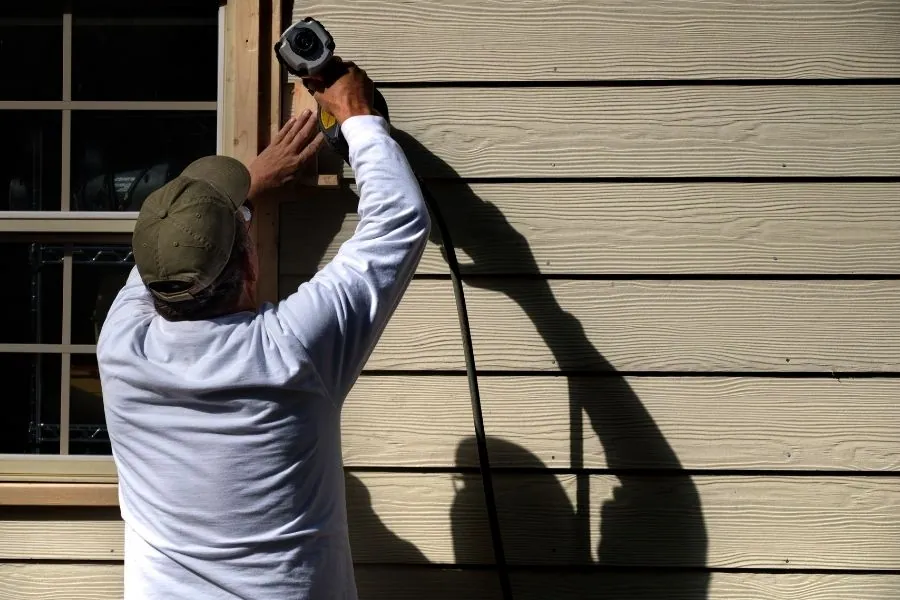
Schedule Your Midwest City Siding Inspection

Whether last spring's hail cracked your west wall or your 1970s hardboard is finally giving out, you'll get an honest assessment, a clear written estimate and a crew that cleans up every day. Siding blown off or wall sheathing exposed after a storm? Call us so we can protect the wall before the next round of rain.

Call now(405) 591-5788Online schedulingBook a time that works
Office9221 NE 10th St, Suite 4, Midwest City, OK, 73130
HoursMon-Sun: 7:00 AM - 7:00 PM

Get your free quote

Your information is never shared.
Call Schedule